Improve yourcalm, focus andmental staminawithout therapyor medication.

We are microcurrent neurofeedback providers serving the Madison, Wisconsin area.

Call for a free consultation
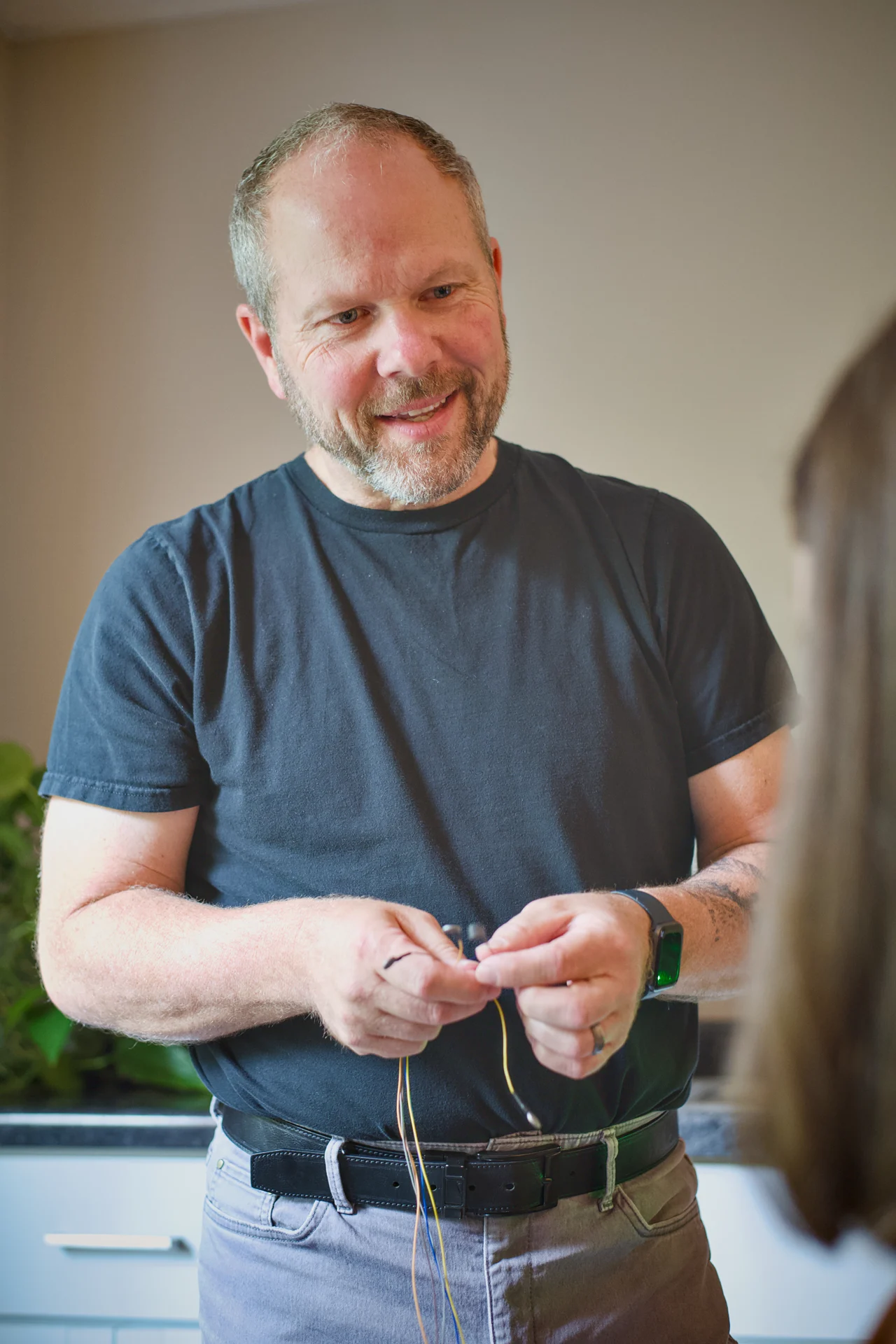
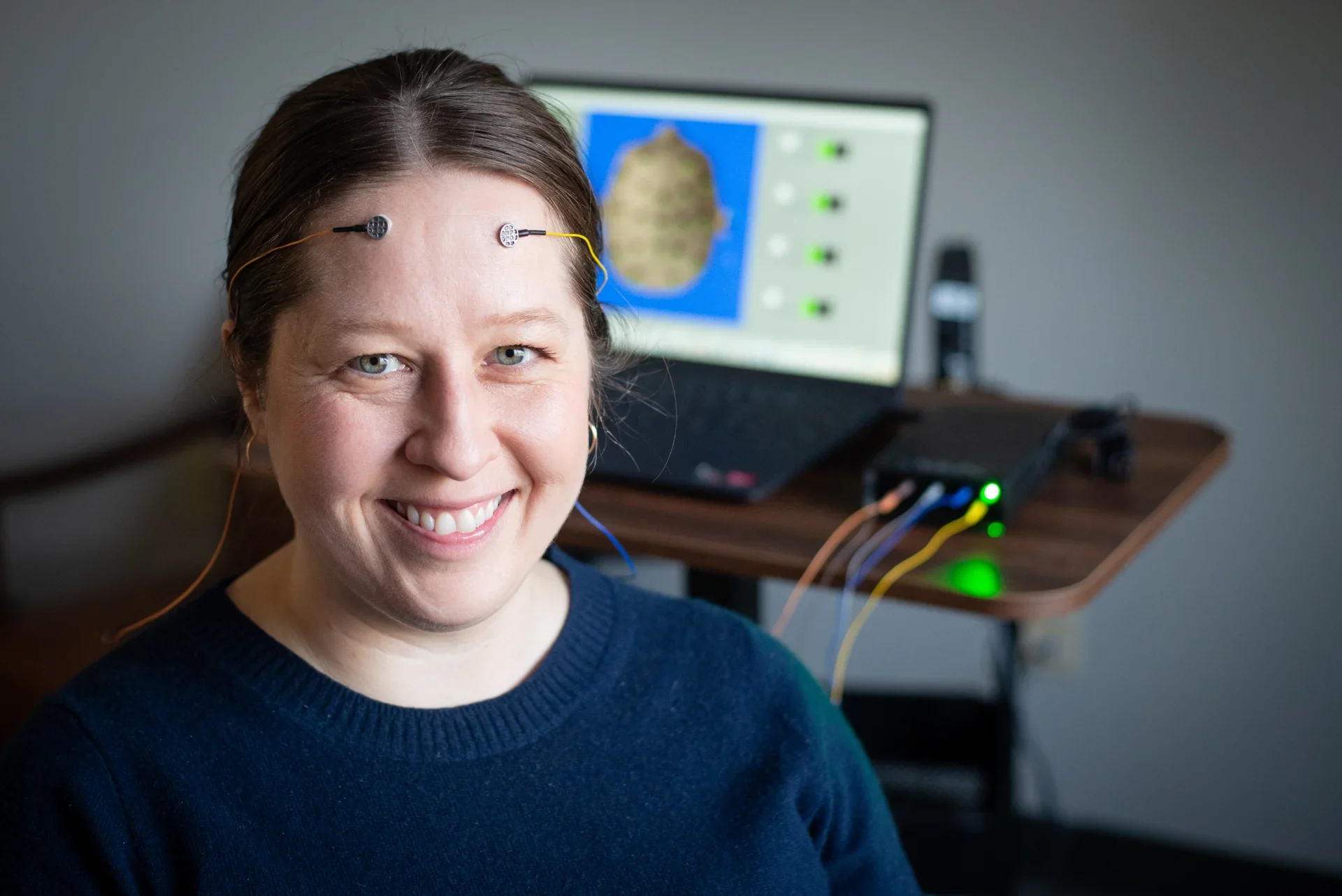
Tim preparing leads for a session at MCN Madison
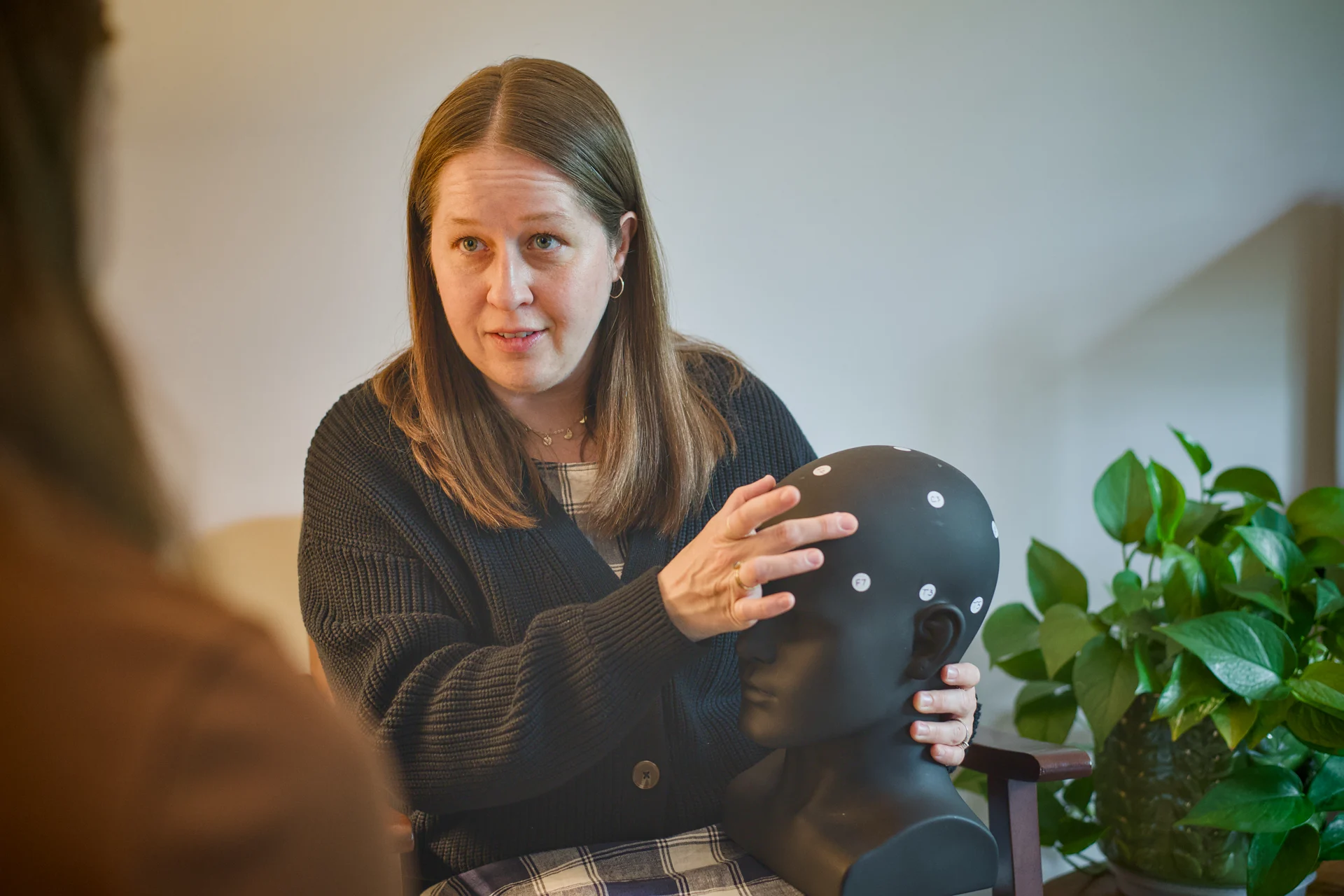
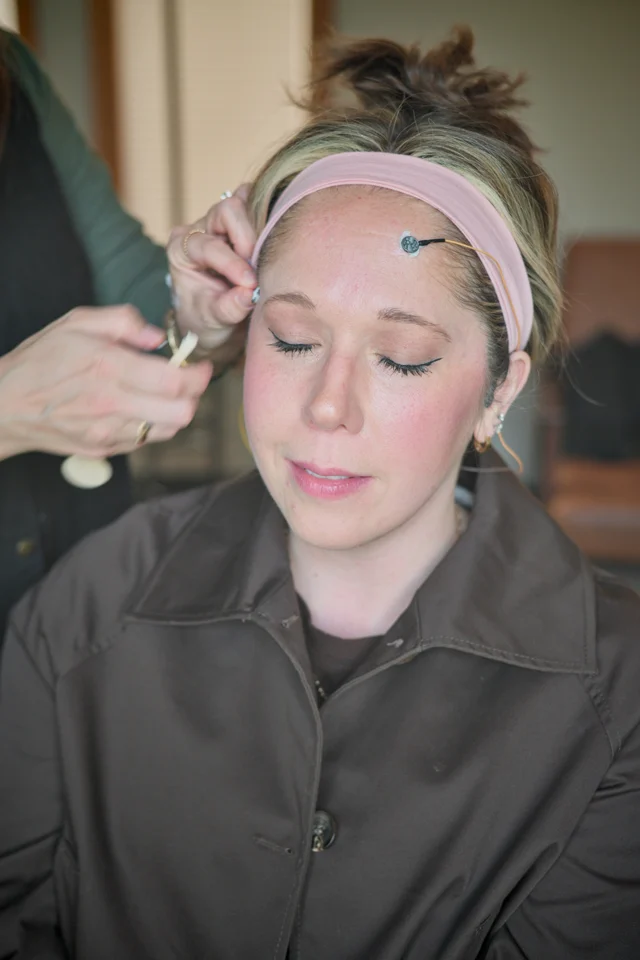
Bri explaining the equipment using a head model

Your brain wasn’t built for the modern world.

  • Hyper-connectivity
  • 10+ hours of screen time
  • 200+ notifications per day

Chronic stress, fatigue and overload are symptoms of a dysregulated nervous system.

Signs your nervous system is dysregulated

  1. You feel overly anxious
  2. You have trouble sleeping
  3. Little things bother you more than they should
  4. You feel stuck in survival mode
  5. Reliance on caffeine and alcohol to make it through the day
  6. Mental focus is all over the place

Sound familiar? You’re not alone.

What MCN does*

The problem

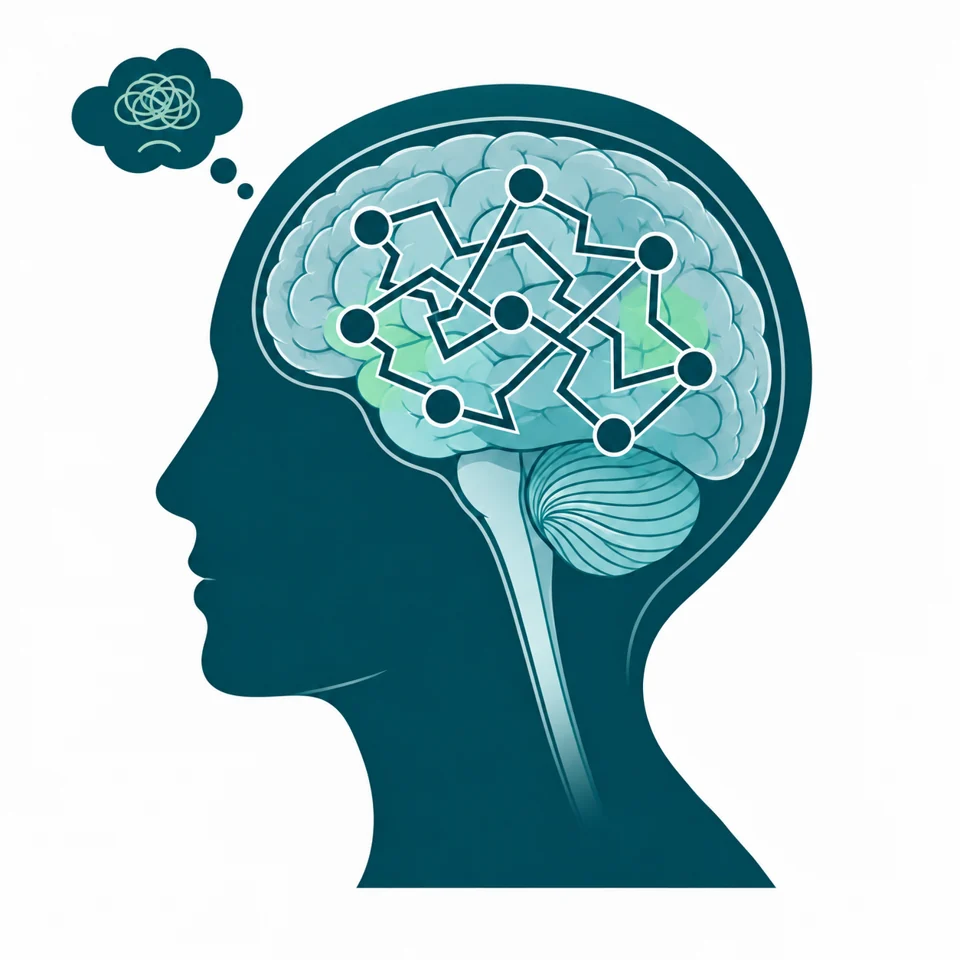
Conceptual illustration of a brain with rigid, jagged patterns

Survival mode: Your brain can get stuck in fight or flight mode, resulting in anxiety, headaches, restlessness, irritability, persistent pain or brain fog.

Our service

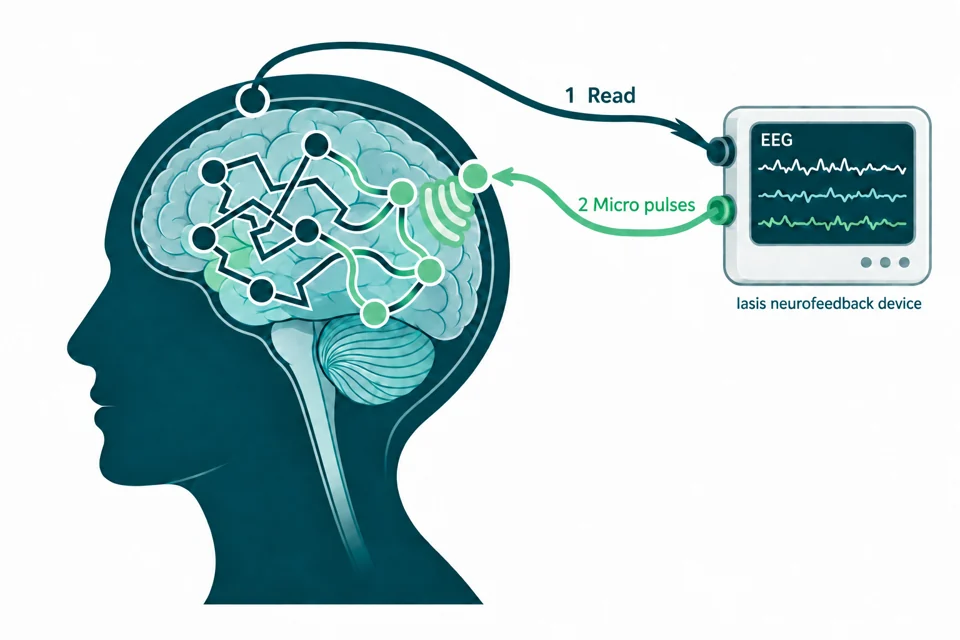
Conceptual diagram of EEG monitoring and microcurrent pulses

MCN sessions: The device monitors brain activity and delivers tiny electrical pulses. These act to gently “nudge” the nervous system out of fight or flight and toward rest and digest.
Our goal

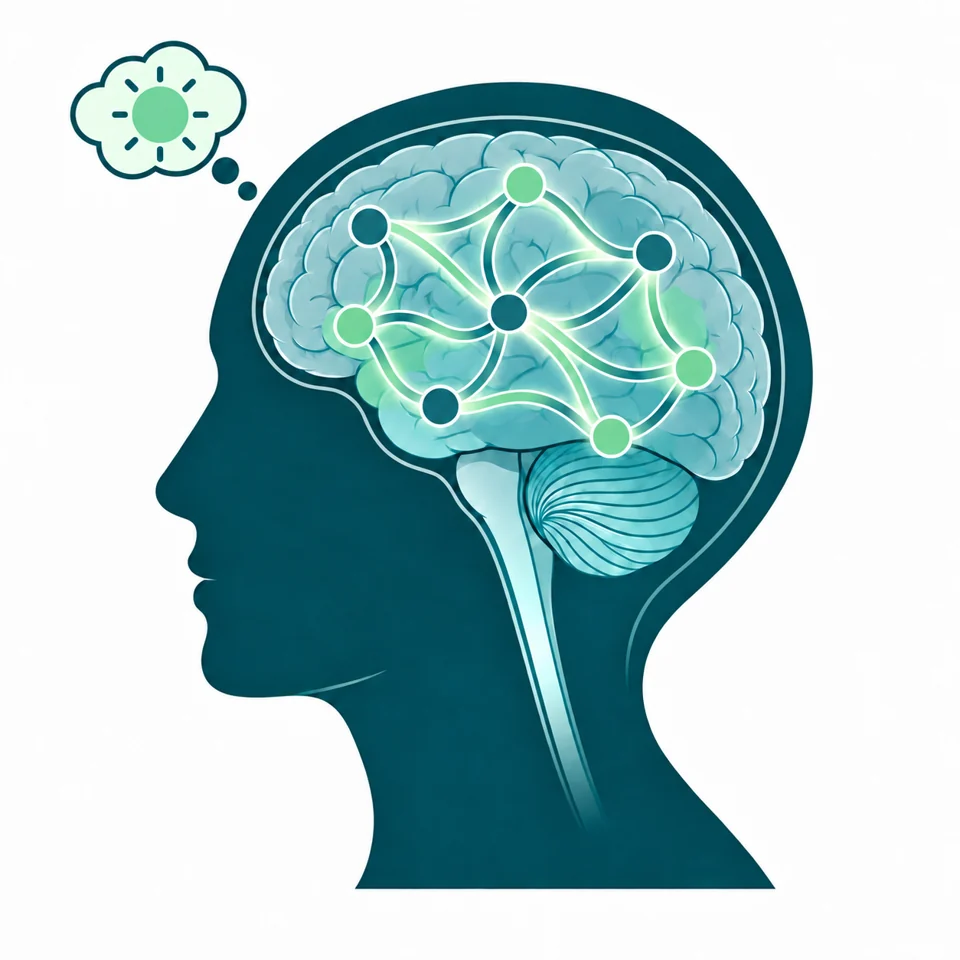
Conceptual illustration of more flexible, flowing brain patterns

Regulation: A healthy brain and a regulated nervous system. Many clients report feeling “unstuck” with lower anxiety, better sleep and strengthened emotional resilience.**

*This is a proposed model for how MCN works. Research is ongoing.

**Every brain and body are different. Individual results vary.

MCN is a groundbreaking path to better mood, sleep and cognitive performance.

  • FDA Class II
    biofeedback device
  • Non-invasive
  • Most visits about
    30 minutes
  • Typically pain-free

53%

Average reduction in post-concussive symptoms in a six-person pilot study after treatment.

Click to view source
Bri smiling while wearing forehead leads during an MCN session

Client stories.

Courtney during an MCN session
5 out of 5 stars
“I went from constant nerve pain and isolation to real relief and being present again.”

CourtneyNurse and mom of four
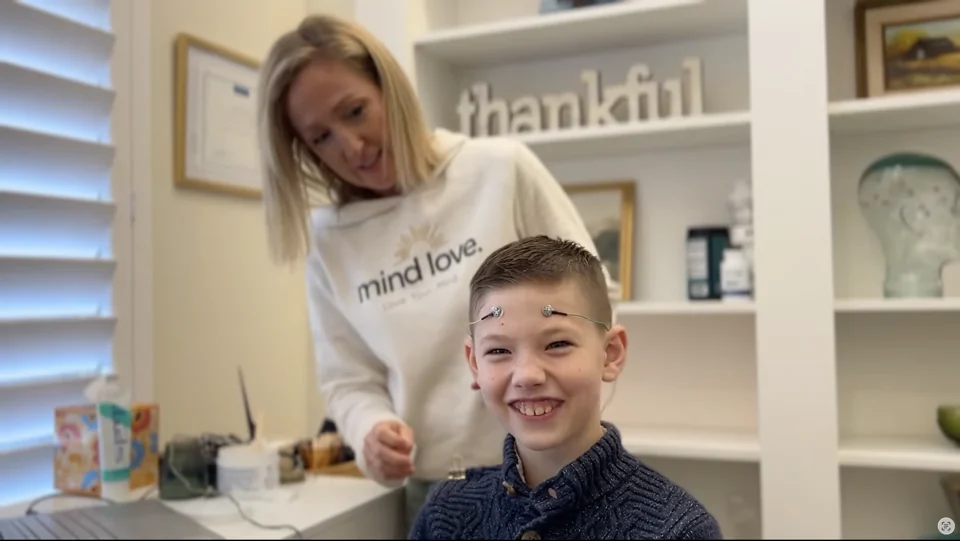
George

IASIS community story

“This has been life-changing for our family”

George’s familyFamily account · Mind Love Utah
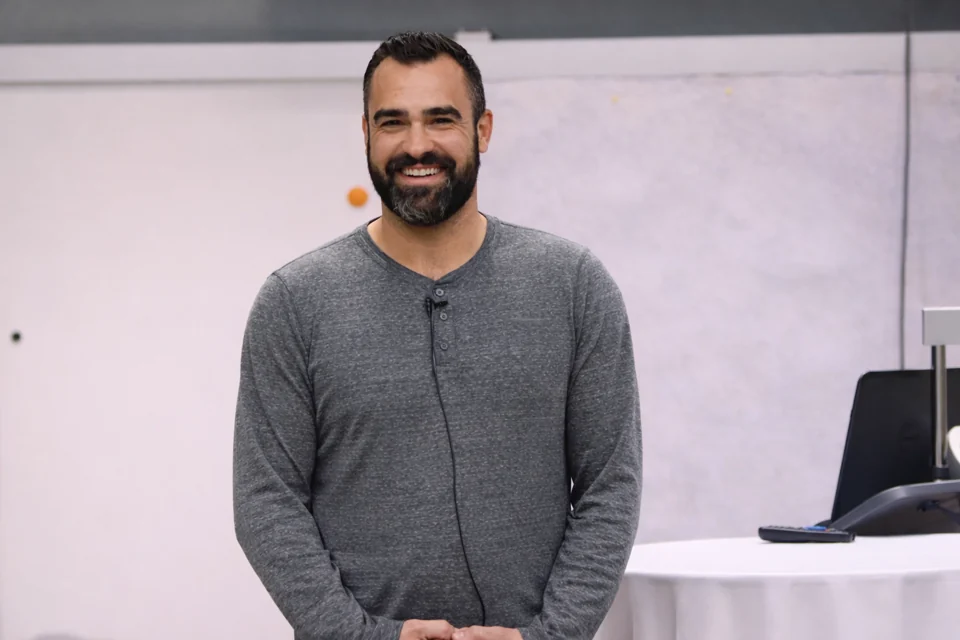
Spence

IASIS community story

“This process has basically healed my brain.”

SpenceMarine Corps veteran · IASIS + EMDR
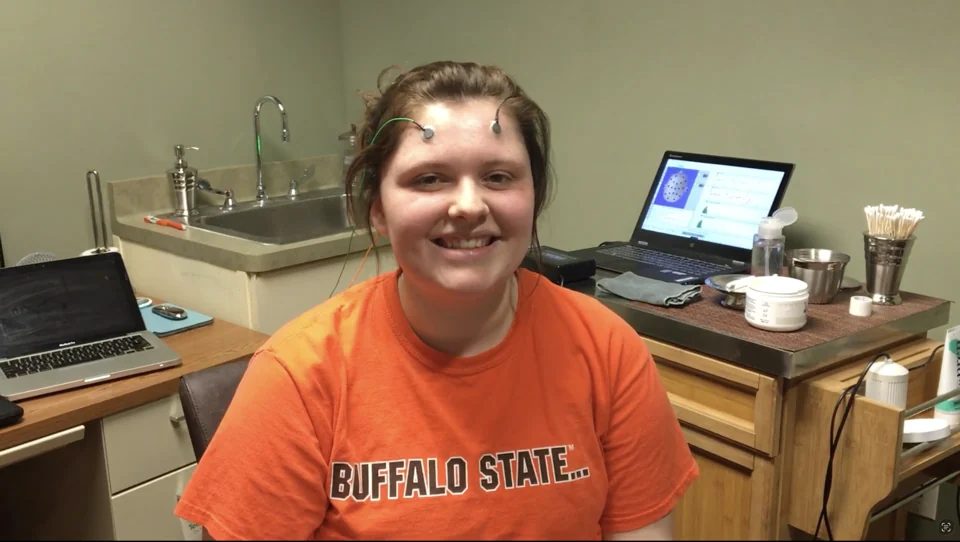
Elizabeth

IASIS community story

“I used to get so worked up I couldn’t even stay for the SAT—but now I can sit, focus, and actually move forward with my life.”

ElizabethIASIS client story · Anxiety

Nico

IASIS community story

“It used to feel like a dagger stabbing into me—now I can actually live my life.”

NicoIASIS client story · Panic attacks

Maria, Lawrence’s mother

IASIS community story

“I just wanted to hear my son say something—even ‘mama’—and now he’s speaking, singing, and calling people by name.”

Maria, Lawrence’s motherParent account · IASIS client story

Greg Gillespie

IASIS community story

“It felt like someone had been beating me with an axe handle every morning—and after one treatment, the pain was gone, the migraines stopped, and I felt like an 18-year-old again.”

GregRetired Marine · IASIS client story
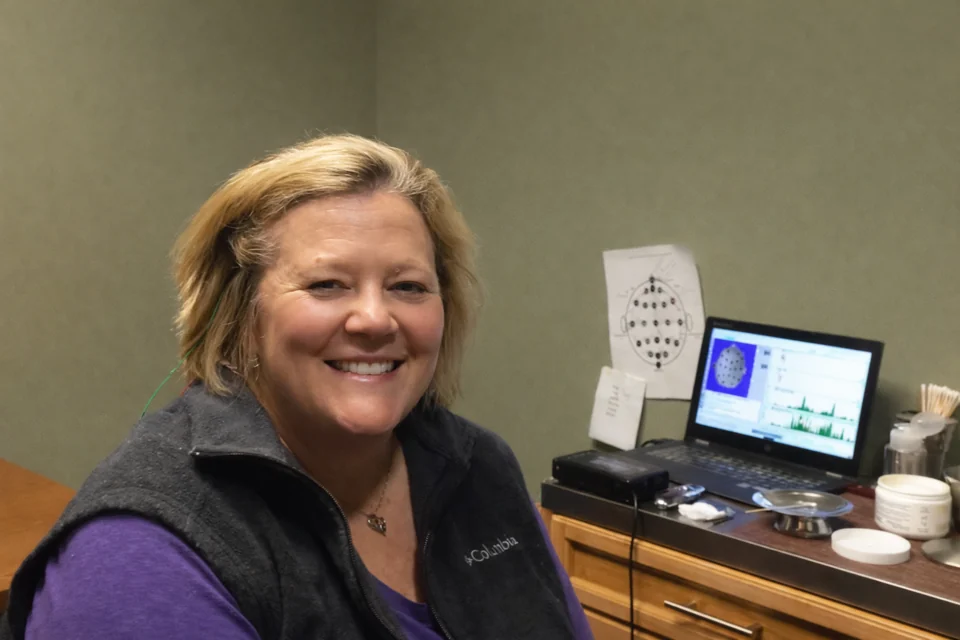
Melissa

IASIS community story

“I feel like my personality is coming back—I’m back to myself, playing with my kids and actually having fun again.”

MelissaIASIS client story · Erie, New York
Emily

IASIS community story

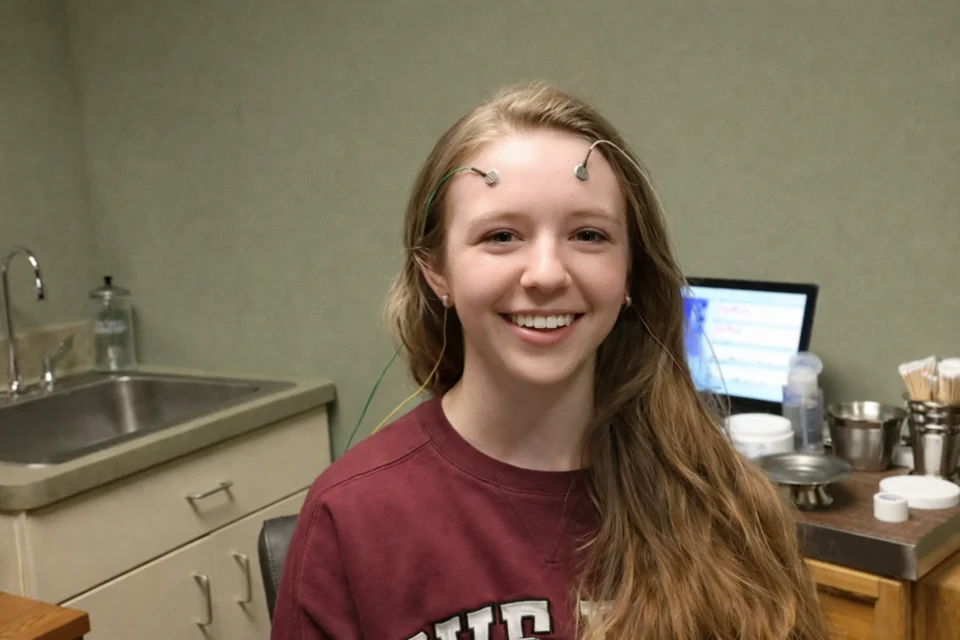
“My anxiety went from a 6 or 7 down to a 1 or 2—and I stopped getting headaches completely.”

EmilyStudent and dancer · IASIS client story

Individual experiences and results vary.

Cards 1–3 of 9

What clinicians are saying

Clinical experience and early research on IASIS MCN
Wally Taylor, MD
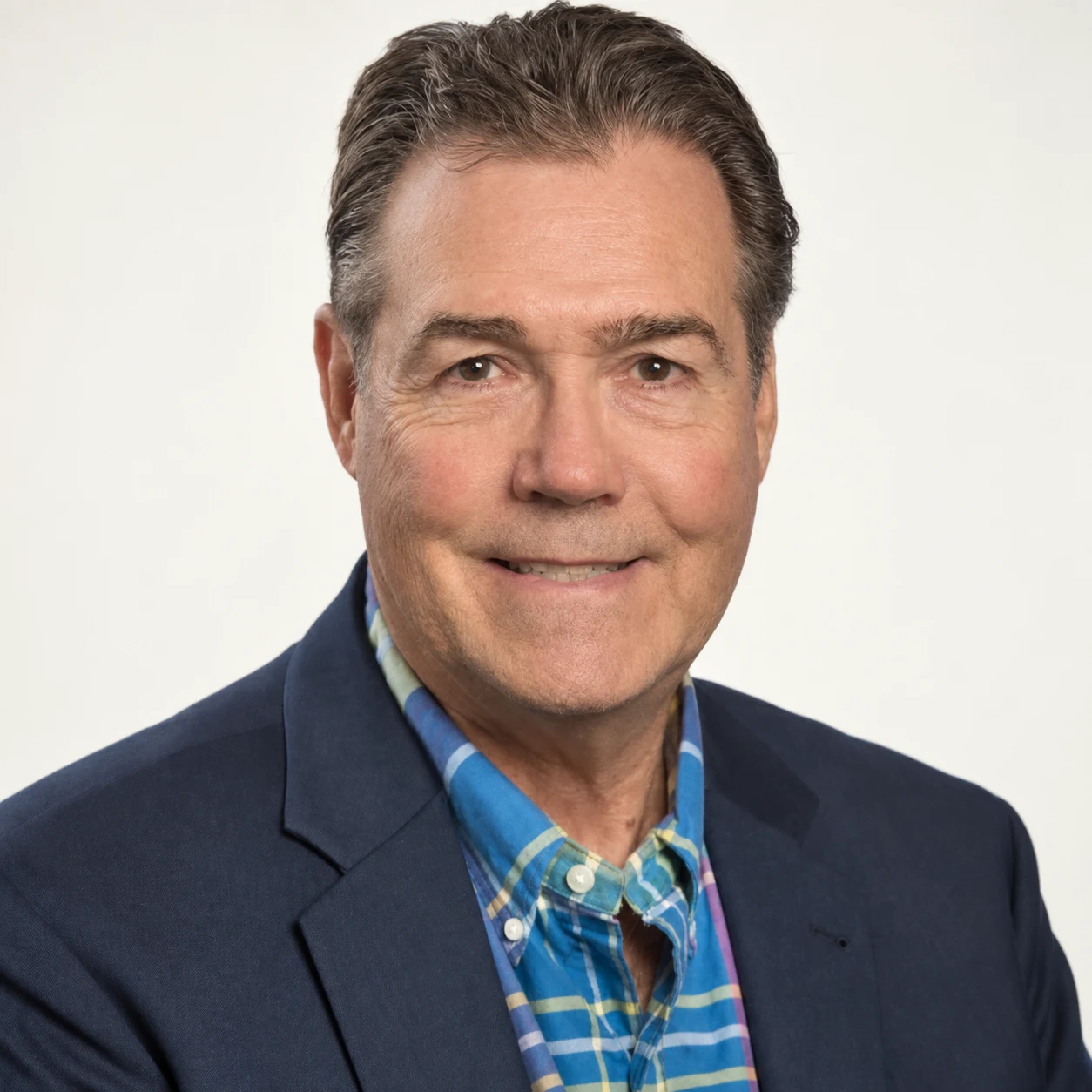
I have added many new tools to my tool kit of “root cause” medicine over the past 25 years, but none has come close to having the amazing impact that IASIS Micro Current Neurofeedback has.

Wally Taylor, MDPhysician; Forum Health

William “Ryan” McWhorter, MD
I cannot imagine practicing medicine without its assistance.

William “Ryan” McWhorter, MDFamily medicine physician; Medical Director, IASIS Microcurrent Neurofeedback
Eva Otzen-Wehmeyer, Dr. oec.
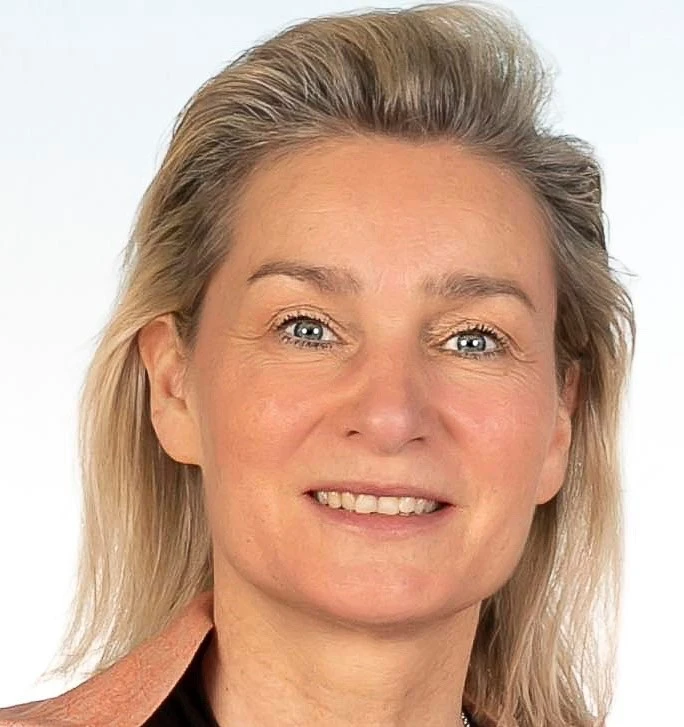
I did not expect micro-current neurofeedback to have such an instant effect.

Eva Otzen-Wehmeyer, Dr. oec.Neurofeedback and biofeedback therapist; founder and director, I-NFBF, Switzerland

Frank Shallenberger, MD
This is a game changer for anyone suffering from an mTBI or post-concussion syndrome!

Frank Shallenberger, MDPhysician; The Nevada Center for Alternative & Anti-Aging Medicine
Dudley Chewning, EdD, LMFT, ICP
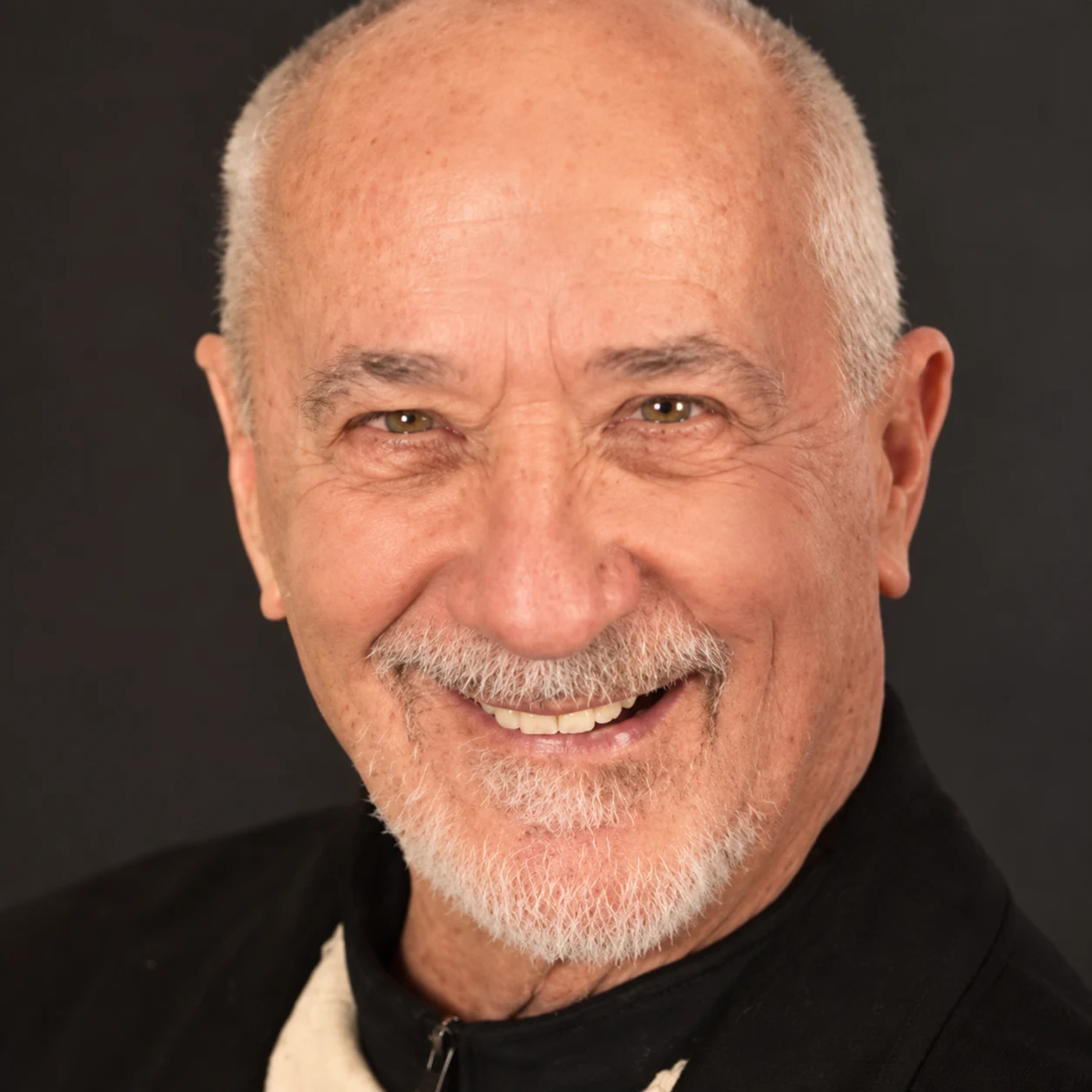
To see a child’s face turn flat from trauma to a thankful grin is truly priceless.

Dudley Chewning, EdD, LMFT, ICPMarriage and family therapist; IASIS provider
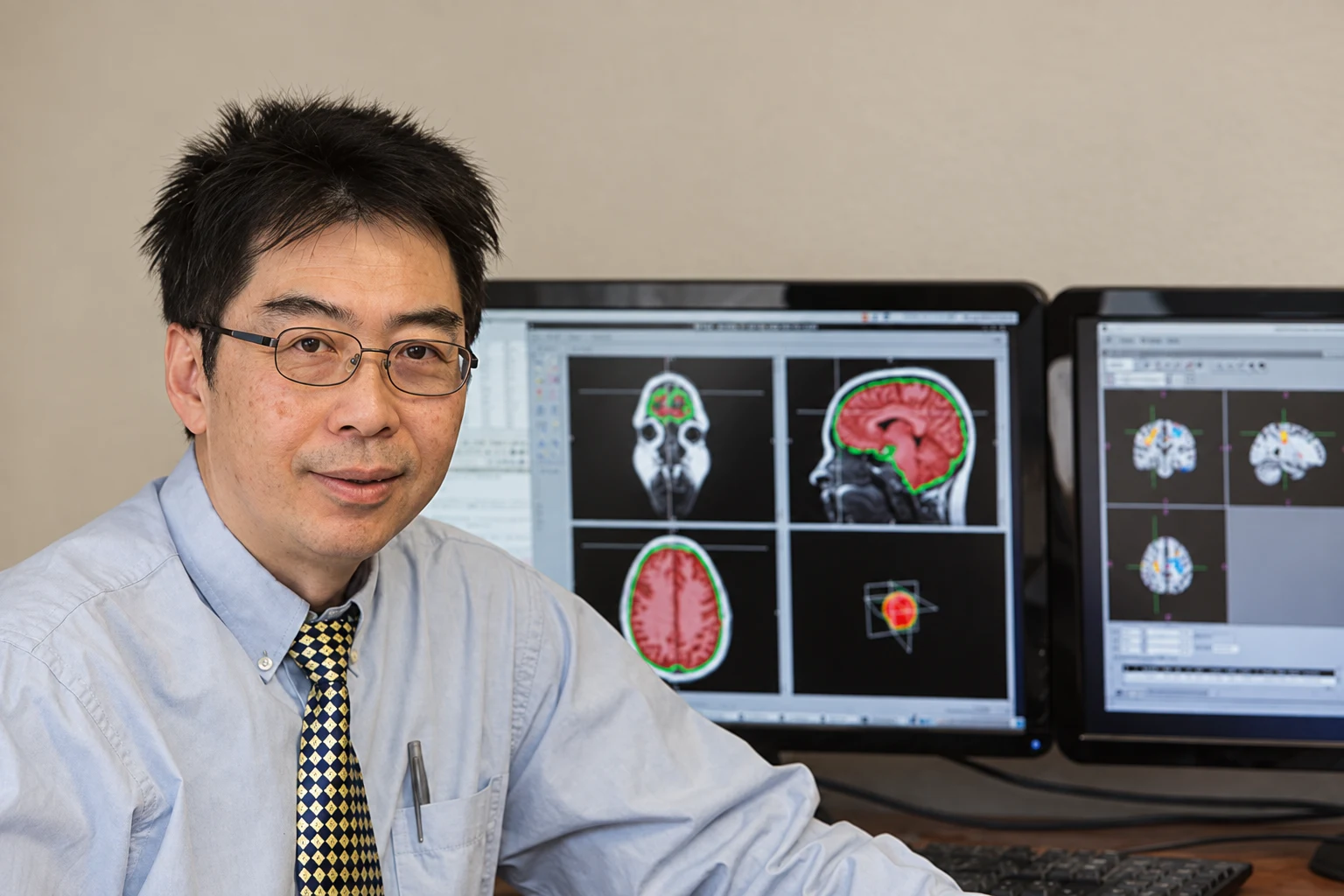
Mingxiong Huang, PhD
It was a small study, but it suggests new potential for effectively speeding the healing process in mild TBI.

Mingxiong Huang, PhDBiomedical physicist and neuroimaging researcher; UC San Diego / VA

Professional perspectives on IASIS MCN, not endorsements of MCN Madison.

Cards 1–3 of 6

MCN sessions and pricing.

Single sessions are $150. A 10-session package is $1,400, saving $100. A 20-session package is $2,500, saving $500.
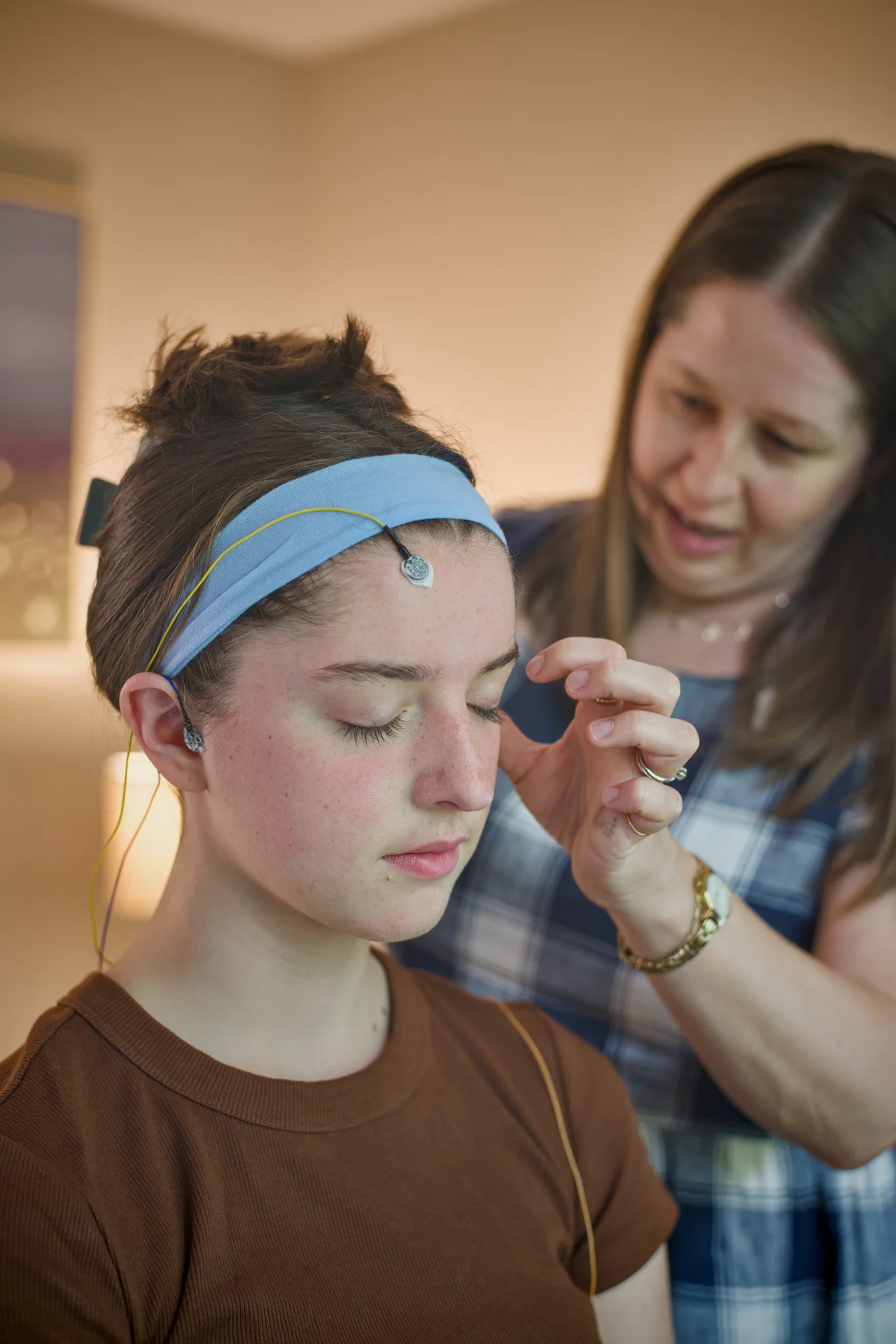
Bri placing an electrode beside a client’s temple

Single MCN
Session

$150

A relaxing, pain-free session of IASIS Micro Current Neurofeedback. Gentle energy pulses nudge your brain into a healthy rhythm, allowing you to switch more easily between your sympathetic and parasympathetic nervous system.

Allow 45–60 minutes for your first visit and about 30 minutes for follow-up visits.

Call for a free consultation
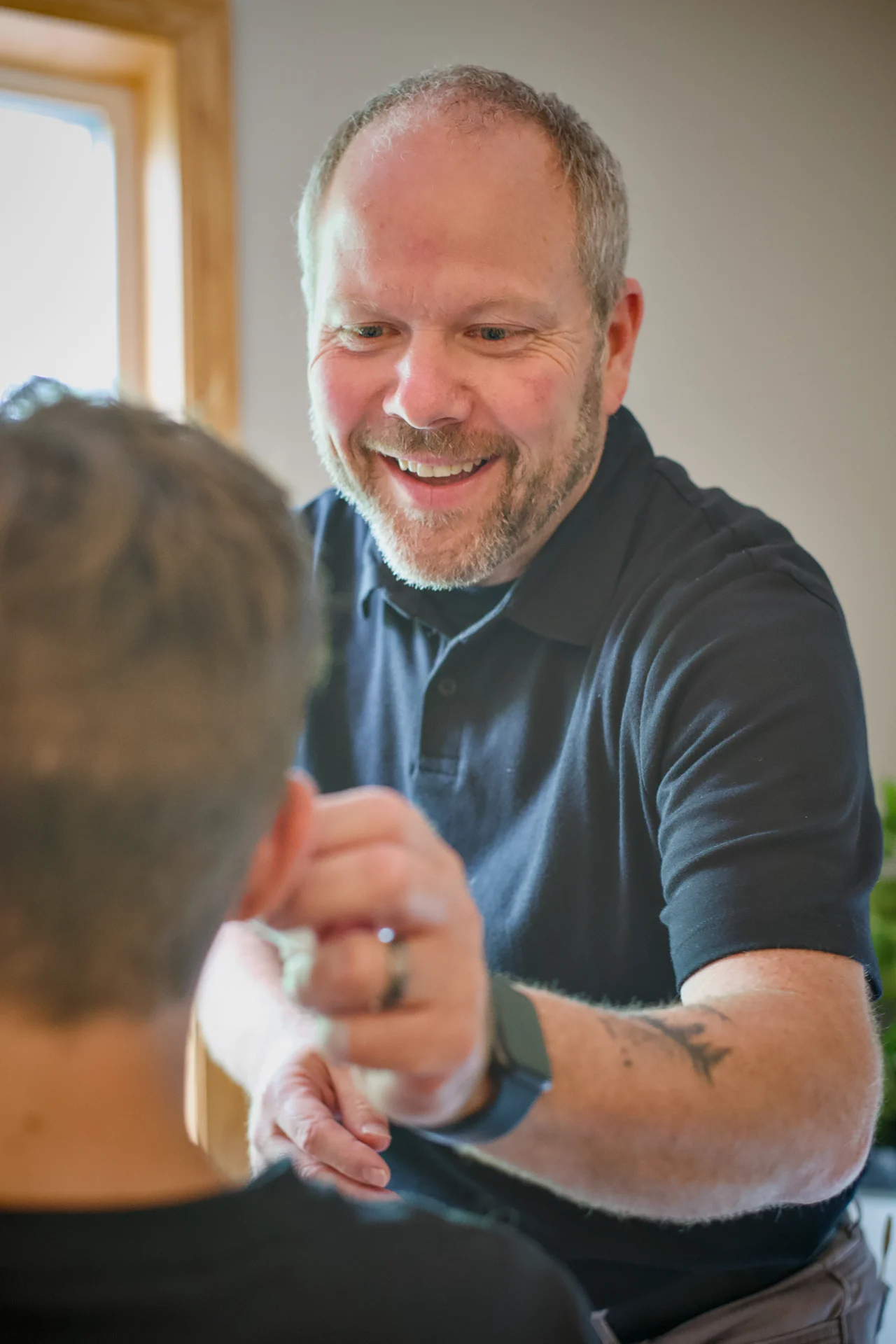
Tim working with a client during an MCN session

10-session
MCN package

$1,400

Our 10-session package is an effective and affordable way to experience IASIS Micro Current Neurofeedback. While many people notice changes after just a few sessions, repeated sessions give your brain the opportunity to build lasting patterns of calm, resilience, focus, and regulation.

Call for a free consultation
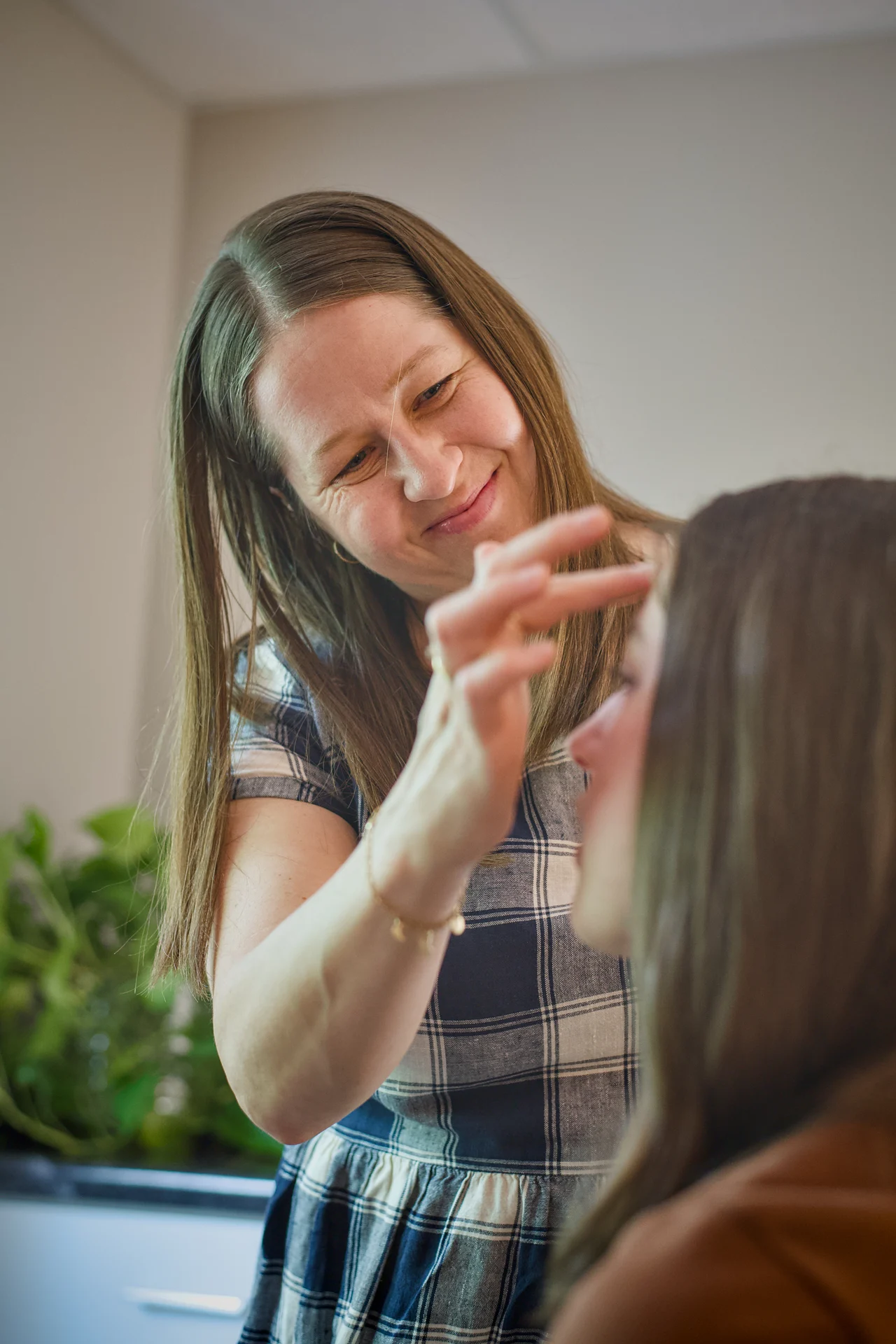
Bri standing beside a client and positioning an MCN electrode

20-session
MCN package

$2,500

Clients report their longest-lasting results after 20 sessions. This package offers our greatest savings. $125 per session. Save $500 compared with 20 single sessions.

Individual results vary.

Call for a free consultation

Your next steps

  1. Schedule a discovery call

    Tell us what you’re hoping to address. We’ll answer your questions and discuss a personalized path toward feeling better.

  2. Come in for your first session

    Meet your provider, discuss your goals, and experience your first MCN session. Allow 45–60 minutes for this visit.

  3. Share how you’re feeling

    We’ll send a check-in questionnaire 24 hours after your session. Share what you notice so your experience can help guide your ongoing care.

In our experience, early changes often emerge around sessions 3–5. Timing and results vary, and we’ll review your experience together along the way.

Frequently asked questions

What is micro current neurofeedback, in plain English?

MCN uses small electrodes on your scalp to read brain activity and deliver tiny electrical pulses. This input helps interrupt rigid patterns of activity, allowing the brain to respond more flexibly, often resulting in better sleep, less anxiety and more resiliency. You sit comfortably while the device works. There’s no game to master or concentration exercise to get right. You can talk with us or enjoy a little quiet.

Can neurofeedback help me feel less anxious or on edge?

Yes, many clients describe feeling calmer and less reactive after their MCN sessions.

What can I expect from a free consultation?

We’ll listen to what’s been difficult, what you hope will change, and the questions on your mind. We can explain MCN, talk through visit timing and discuss cost. The call is a chance to understand your options, with no obligation to buy a package.

How is MCN different from traditional neurofeedback?

Traditional neurofeedback requires active participation across 30-60 appointments. Micro current neurofeedback is the next evolution of neurofeedback technology. It takes less time (10-20 sessions) and is entirely passive; you simply sit still or relax while the device does the work. 

Will it hurt? Will I feel an electrical shock?

No, it won't hurt. The tiny pulses are measured in picowatts and are too small to feel. Many clients report feeling relaxed during and after a session.

Is MCN safe for everyone and can children have MCN sessions?

We see clients as young as two years old, and we will discuss your health history to discuss a treatment plan before your first session.

Are there side effects I should know about?

There have been over 2 million MCN sessions performed worldwide with zero adverse long term effects. Some clients have reported sleepiness, a slight headache, or feeling wired after sessions, with these effects dissipating within 24 hours.

Do I need to stop taking my medications?

No, don’t stop, reduce, or otherwise change a prescribed medication on your own for MCN. Tell us what you take and discuss medication questions with your prescribing clinician. Any medication changes should be directed by that clinician, not based only on how you feel after a session.

How many sessions will I need, and when might I notice changes?

There isn’t one course of sessions that fits everyone. In our practice, initial changes are often reported around sessions three to five with the most benefit received after 10-20 sessions.

How much does MCN cost? Do I need to buy a package?

There is no charge for the initial phone consultation. Single sessions are $150, a ten-session package is $1,400, saving $100, and a twenty-session package is $2,500, saving $500.

Do you accept insurance, and how can I pay?

MCN is a self-pay service. You can pay by cash, check, Visa, Mastercard, Discover, or American Express.

What is your cancellation policy?

Please cancel at least 24 hours before your appointment if you cannot attend. Otherwise, you may be charged a $50 cancellation fee.

You don’t have to figure it out alone.

Tell us what’s been difficult and ask us anything about MCN.

Call for a free consultation ↗

608-912-1672 · DeForest, Wisconsin

Call MCN Madison

608-912-1672

If we miss your call, please leave a voicemail and we’ll get back to you shortly.

Ask us anything

Design preview: this form does not send messages yet.

Courtney during an MCN session

Courtney’s story

Nurse and mom of four

5 out of 5 stars

I was diagnosed with chronic Lyme disease, and my main symptom was full-body nerve pain. It felt hot and wet, like my clothes were soaked, and it burned… almost everywhere. In the beginning, it was a lot of fear and confusion—“what in the world is going on with me?” Over time, it just became constant. It made daily life hard. It was always there. I couldn’t just put it in a box. I felt more irritable, and a lot of nights I would go lay in bed by myself because everything hurt too bad to be with my family.

I had been seeing a naturopath and trying a bunch of different supplements, but nothing really seemed to help. When I heard about MCN and the idea that it could help rewire my brain and get it sending proper signals again, it just seemed like a reasonable thing to try—especially because I knew my body wasn’t sending the right signals.

Getting treatments was easy. You don’t feel anything. It’s actually really relaxing—soothing music, a calm environment. I’d say it’s awesome.

It took a little while, but then one day I realized, “wait a minute… I haven’t really had that much nerve pain the last few days.” I didn’t even notice at first because I just felt “normal”-like how you’re supposed to feel. But then the more I kept going, the more days I had in a row that were just… better. Not perfect, but so much more manageable.

Before, I would spend evenings in my room alone because I couldn’t handle the pain. Now I don’t do that anymore. I get to be with my family. That’s huge.

If you’re considering MCN, I’d say do it. It’s not going to hurt you. It’s easy. And it’s worth investing in yourself and your peace of mind. For me, it’s helped calm so many things; sleep, anxiety, just my overall perspective on life.

MCN Madison client account. Individual experiences and results vary. Personal statements about safety and how MCN works are not general clinical assurances.

Wally Taylor, MD

Wally Taylor, MD

Physician; Forum Health

Clinician perspective · personal observation

I have added many new tools to my tool kit of “root cause” medicine over the past 25 years, but none has come close to having the amazing impact that IASIS Micro Current Neurofeedback has.

Personal experience from an IASIS provider, rather than a comparative clinical trial.

Read original source
William “Ryan” McWhorter, MD

William “Ryan” McWhorter, MD

Family medicine physician; Medical Director, IASIS Microcurrent Neurofeedback

Clinician perspective · personal observation

I cannot imagine practicing medicine without its assistance.

Personal professional opinion from the Medical Director of IASIS Microcurrent Neurofeedback.

Read original source
Eva Otzen-Wehmeyer, Dr. oec.

Eva Otzen-Wehmeyer, Dr. oec.

Neurofeedback and biofeedback therapist; founder and director, I-NFBF, Switzerland

Clinician perspective · case discussion

I did not expect micro-current neurofeedback to have such an instant effect.

A case discussion involving IASIS and other interventions, including breathing exercises. The author calls for larger standardized research; this is not a promise of instant results.

Read original source
Frank Shallenberger, MD

Frank Shallenberger, MD

Physician; The Nevada Center for Alternative & Anti-Aging Medicine

Clinician commentary · six-person pilot

This is a game changer for anyone suffering from an mTBI or post-concussion syndrome!

Commentary on a preliminary six-person pilot. This opinion is stronger than the study can establish and does not demonstrate a general treatment benefit.

Read original source
Dudley Chewning, EdD, LMFT, ICP

Dudley Chewning, EdD, LMFT, ICP

Marriage and family therapist; IASIS provider

Clinician perspective · personal observation

To see a child’s face turn flat from trauma to a thankful grin is truly priceless.

A personal observation from an IASIS provider’s essay on childhood trauma, not a finding of demonstrated treatment efficacy.

Read original source
Mingxiong Huang, PhD

Mingxiong Huang, PhD

Biomedical physicist and neuroimaging researcher; UC San Diego / VA

Researcher perspective · six-person pilot

It was a small study, but it suggests new potential for effectively speeding the healing process in mild TBI.

Researcher perspective on a six-person IASIS pilot, rather than a treating clinician’s experience.

Read original source

Original photo: Kevin Walsh / VA

George

George’s family’s story

Family account · Mind Love Utah

Story from another IASIS provider; not an MCN Madison client account.

Watch the source story ↗

George had a traumatic brain injury (TBI) after falling off a trolley as a small child. In the years that followed, he had trouble focusing, staying seated, and controlling impulses. He was sensitive to sound and light, had headaches and stiff muscles, and had little appetite. His family described behavior that resembled severe ADHD, including forgetfulness and wandering off in public.

School and church were difficult. George would lose focus, become overwhelmed by sensory input, or leave unexpectedly. His family worried about his safety, and he was falling behind in school. They found it exhausting and discouraging to see him struggle.

His family chose IASIS Microcurrent Neurofeedback hoping it would help with the neurological difficulties behind his symptoms and make daily life more manageable.

His family began to notice steady changes after he started treatment. George seemed calmer, could focus longer, and was better able to stay in places that had overwhelmed him.

His family said George could focus and remain seated, his handwriting improved beyond grade level, and his appetite returned. He stopped running away. They also reported that his sensitivity to sound and light, headaches, and muscle stiffness were gone. He began catching up in school.

His family called the experience “life-changing” and said it “changed everything.” Seeing George stay safe, focus, and make progress again was a relief. They described the impact on their family as “huge.”

Spence

Spence’s story

Marine Corps veteran · IASIS + EMDR

Story from another IASIS provider; not an MCN Madison client account. Spence also received EMDR therapy; his experience cannot isolate the effect of IASIS.

Watch the source story ↗

Spence McKinney, a Marine Corps infantry veteran, survived an ambush during his first tour in Iraq. Days into his deployment, he was driving the lead vehicle through the “Sunni Triangle” near Fallujah when his convoy was attacked. His vehicle was hit, collided with another vehicle, and rolled off the road, flipping about eight times. Others in the vehicle were seriously injured or killed. The effects of that experience stayed with him after the war.

Years later, Spence was struggling with a short temper and sudden angry outbursts. Work stress would build until he reacted in ways he felt unable to control. Although his life looked successful from the outside, he knew he needed help.

Spence began EMDR therapy with a provider he trusted. After they had worked together for some time, his provider suggested IASIS Microcurrent Neurofeedback to help address the effects of his combat experience and the crash.

He completed about 20 IASIS sessions over several months, following the work he had already done in EMDR therapy.

Spence said his anger and explosive reactions began to fade. He felt calmer and more in control. He described his brain as “healed” and the overall experience as “life-changing.” His account includes both IASIS and EMDR therapy.

Talking about his past was still difficult for Spence. He expressed gratitude for the help he had received and described the results as “amazing.”

Elizabeth

Elizabeth’s story

IASIS client story · Anxiety

Story from another IASIS provider; not an MCN Madison client account.

Watch the source story ↗

Elizabeth’s anxiety was making it hard to work and take tests. Twice, she became so physically sick with panic that she had to leave before the SAT even began.

Her anxiety could spiral quickly, forcing her to leave situations she wanted to get through. She had tried medication and several forms of therapy without lasting relief. She and her family kept looking for help.

Elizabeth and her family wanted to try another approach after the difficulties and side effects she had experienced with previous treatments.

Elizabeth arrived at her first session feeling overwhelmed and close to tears. She noticed her body relaxing as treatment began. On the drive home, she was singing along to the radio and playing with her dogs, things she hadn’t been doing during that period of anxiety.

Elizabeth said she noticed a difference after that first session and continued to improve. She completed the SAT, graduated, and prepared for college. She also described being better able to handle finals and other stressful transitions.

Elizabeth recommends MCN based on her experience. She said she did not have the side effects she had experienced with medication, such as an upset stomach. She described being able to “just come in, relax for an hour,” and valued feeling less dependent on medication and ongoing therapy.

Nico

Nico’s story

IASIS client story · Panic attacks

Story from another IASIS provider; not an MCN Madison client account.

Watch the source story ↗

Nico had experienced panic attacks and intense, unexplained despair since he was about 11. Nights were especially difficult. He described repeatedly feeling the fear of his worst moment, and much of his life became about avoiding that feeling.

Nico withdrew from people and relied on daily marijuana use and a long-term relationship to cope. When the relationship ended, the fear returned at full strength. He didn’t want to die, but he felt unable to keep living with so much panic and despair. The approaches he had tried hadn’t helped.

His therapist referred him to IASIS Microcurrent Neurofeedback. After a long search for relief, Nico was willing to give it a try.

Nico said the panic was still there after his first session, but the “edge was taken off.” Its intensity decreased over subsequent sessions. He also began to recognize the feeling as it started and found he could sometimes move out of it.

He compared the change to a “dagger” becoming “like a soft noodle.” The panic was less frequent and much less intense.

One evening, Nico pushed himself to go out with other people. Sitting in the car, he felt the familiar dread. Within minutes, he said, it lifted “like a sheet being pulled off his brain.” He was able to stay, relax, and enjoy being with people, something he described as a first.

Nico said the process took time and persistence. After trying many approaches, he felt this was the first to help. His message to people who believe nothing will work was direct: “you’re wrong.”

Maria, Lawrence’s mother

Maria, Lawrence’s mother’s story

Parent account · IASIS client story

Story from another IASIS provider; not an MCN Madison client account.

Watch the source story ↗

Maria’s son, Lawrence, is autistic and had used little or no speech for most of his life. He wasn’t using names or sentences. Maria had not heard him say “mama.”

Maria longed to hear her son speak, even a single word. Lawrence also had difficulties with sleep and mood. After a long period without progress in his speech, she felt discouraged and uncertain.

Lawrence’s doctor, Dr. Rachel West, recommended IASIS Microcurrent Neurofeedback. Maria hoped it might help her son begin to speak.

Within a few sessions, Maria noticed Lawrence becoming more engaged and expressive. He began trying sounds and words.

Maria said Lawrence began using words, then phrases and short sentences.

During a noisy conversation between Maria and her mother, Lawrence said, “Shut up, grandma.” Maria remembered it because he had never before used a sentence or addressed someone by name.

Maria also noticed that Lawrence was sleeping better and seemed calmer and happier. He began singing songs, including “Rain, rain, go away.”

Maria called the results “tremendous” and “magnificent.” She was surprised by how soon she noticed changes and delighted to hear her son speak. Based on that experience, she recommends MCN to other parents.

Greg Gillespie

Greg’s story

Retired Marine · IASIS client story

Story from another IASIS provider; not an MCN Madison client account.

Greg, a retired Marine, had experienced traumatic brain injury (TBI) and PTSD. He struggled with anger, severe migraines several times a week, chronic pain, and poor sleep. He was uncomfortable around people and no longer felt able to enjoy skydiving, scuba diving, or riding motorcycles.

He described being “angry all the time about everything for no apparent reason” and withdrawing from group activities. Each morning, pain in his feet, ankles, knees, hips, and lower back left him limping. It felt “like somebody had been beating me with an axe handle while I was asleep.”

A doctor and friend he trusted recommended IASIS Microcurrent Neurofeedback. Greg was willing to try it after his ongoing difficulties with TBI and PTSD.

Greg had a migraine when he arrived for his first session, which lasted about 20 minutes. He said he slept better that night than he had in five or six years.

Greg said the migraine he had during treatment went away. At the time he shared his story, nearly two years had passed without another migraine.

He said the pain that usually made him limp was gone the next morning. He described feeling “like an 18-year-old kid who just got handed the keys to a new Ferrari.”

Over time, Greg reported less anger, better sleep, and more control over his reactions while raising two young boys. He also felt more comfortable around people.

Greg encouraged others, especially veterans with PTSD or TBI, to consider MCN. He described his sessions as simple: sitting comfortably for less than 30 minutes, often without feeling anything during treatment.

He also spoke about the effect his struggles had on his family. For Greg, seeking help mattered to the people close to him as well as to himself.

Melissa

Melissa’s story

IASIS client story · Erie, New York

Story from another IASIS provider; not an MCN Madison client account.

Melissa had lived with bipolar disorder for more than 30 years. She rated her anxiety at a constant “10” and often had chest pain. She struggled to sleep and felt she had lost a sense of herself.

Restlessness and lack of sleep made daily life difficult. Melissa felt disconnected from her personality and struggled to enjoy time with her family.

After years of symptoms that hadn’t improved with other approaches, Melissa decided to try IASIS Microcurrent Neurofeedback.

Melissa began noticing changes after about five treatments. She described gradual improvement as the sessions continued.

She said her anxiety had fallen to about half its previous level and was still improving. Her chest pain was also easing.

For the first time in a long time, she was able to sleep and wake up feeling rested.

Melissa felt like herself again. She described her personality “coming back” as she found herself laughing, playing with her children, and having fun.

Melissa encouraged others to try MCN based on her experience. She used the phrase “nothing to lose” and felt people would be surprised by the results.

Emily

Emily’s story

Student and dancer · IASIS client story

Story from another IASIS provider; not an MCN Madison client account.

Emily was a high school sophomore and dancer with a full schedule. Schoolwork, dance, and other activities left her anxious. She had frequent headaches and worried about tests and small responsibilities.

Tests and assignments were especially stressful. Even minor tasks could leave Emily worrying, making it hard to focus.

Emily tried IASIS Microcurrent Neurofeedback hoping to manage her anxiety and headaches while keeping up with school and dance.

Emily said she felt calmer after sessions and that the feeling lasted beyond the appointment. She returned for occasional “boost” sessions when symptoms started to come back, particularly around exams.

Emily rated her anxiety at a “1 or 2,” down from a “6 or 7,” and said her headaches had stopped.

She found it easier to focus during tests without getting caught up in small details. She felt calmer even when her schedule was busy.

Emily said she would “definitely” recommend MCN to her friends, especially those dealing with similar academic stress and anxiety.